Introduction
A portable espresso press is only convenient when the whole brew-and-clean sequence fits the customer's day. Coffee mass, grind, basket geometry, hot-water preparation and seal care all affect the experience. A headline pressure figure says little about whether a traveler can make a repeatable drink and pack the product cleanly afterward.
The KudBo portable espresso press can serve outdoor, travel and coffee-gift channels. Earlier guides cover pressure versus extraction and food-contact cleaning. Here the buyer question is operational: what must the customer bring, what variables can they control, and what parts will need replacement? This is a procurement framework, not a published result from a KudBo brewing trial.
Document the Complete Brew Kit
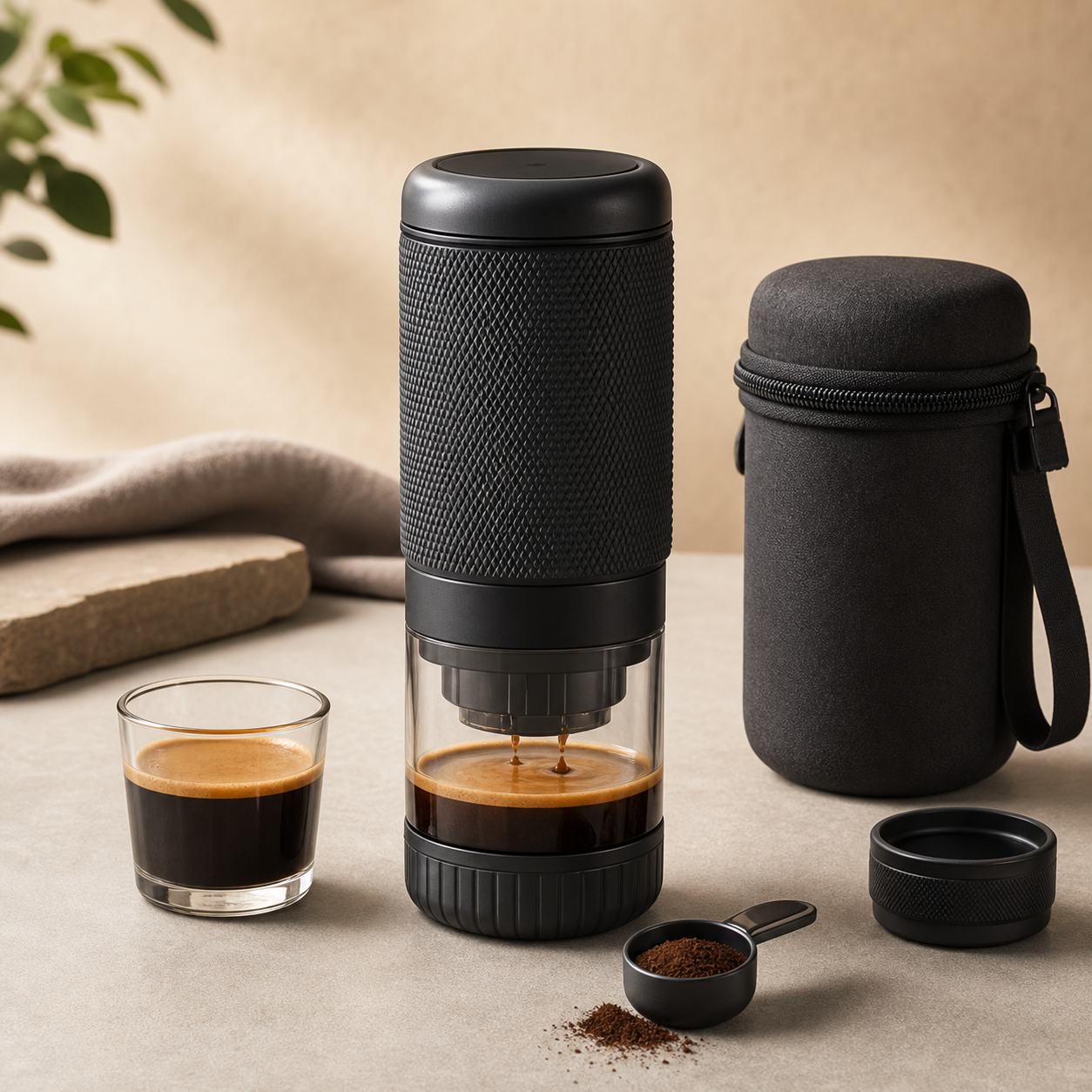
Write down the exact retail contents: press body, basket, capsule adapter if any, dosing scoop, tamping tool, cup, brush, case and instructions. Mark each item included or optional. A lifestyle photograph may show a kettle or grinder that is not in the box. The product page should not rely on those props to imply a self-contained espresso system.
State how hot water is obtained. A manually operated press usually needs water heated elsewhere. If it has an integrated heater, verify its power, run time, battery and regional electrical requirements separately. A camping buyer may accept a separate kettle; a hotel-travel buyer may not. A clear preparation requirement avoids disappointed reviews.
Measure basket capacity as a usable range with a defined coffee and fill method, rather than a single number copied from a mold drawing. Show the customer where the fill line is and how firmly coffee should be leveled. If capsules are supported, name the exact compatible system and distinguish genuine tested fit from a visual similarity. Unsupported capsule claims can cause leaks and returns.
Test Grind and Dose as a Pair
The Specialty Coffee Association maintains coffee research and standards resources, but no external standard can validate a particular travel press without model-specific testing. For sample review, use two or three common grind ranges and a recorded dose with the same coffee. Note the effort required to operate the press, beverage output and visible leakage. Do not declare a universal “best grind” from one bean or grinder.
A fine grind may increase resistance, while a coarse one may produce a weak cup. The relevant question for procurement is whether ordinary users can reach a satisfactory range using readily available coffee. Provide a starting recommendation and allow adjustment. If the press cannot tolerate a particular grind or fill level, warn in the manual rather than burying the limit in customer service scripts.
Keep claims about pressure modest and measurable. Different manufacturers may state a theoretical pump or piston maximum rather than pressure at the coffee bed. If a pressure claim is central to the listing, ask for its measurement location, method and operating conditions. Taste alone does not prove a pressure number; pressure alone does not guarantee desirable extraction.
Compare a Realistic Use Sequence
Ask a person unfamiliar with the product to follow the draft instructions from cold start to packed-away unit. Record each step: grind or open coffee, dose, fill water, assemble, press, drink, discard puck, rinse, dry and stow. Where do hands touch hot water? Can a seal fall out during cleaning? Does the cup remain stable on an uneven table? These are practical sample-review questions, not fabricated trial findings.
Time the routine only under defined conditions if time will be advertised. A bare press cycle is not the same as preparing hot water and cleaning. A buyer may decide that the product is best positioned for weekend outings rather than daily commuting. That is a useful merchandising decision, not a defect.
For an outdoor use photo, show a safe and believable water source and surface. Avoid showing freshly extracted coffee where no heat source or water is visible unless the setup is clearly staged. Trust in a B2B catalog depends on depicting the work the customer will actually do.
Mid-Article CTA
Send Your Requirements with target customer, coffee format, included accessories, destination markets and forecast quantity. Email info@kudbo.com to request a basket, seal and cleaning specification for the quoted model.
Plan Cleaning and Replacement Parts
Coffee oil accumulates at threads, screens and seals. Inspect whether users can reach these areas with the supplied cleaning tool and whether parts dry before being sealed in a travel case. Confirm dishwasher suitability only for parts the manufacturer has validated, and distinguish a dishwasher-safe cup from an entire press. Hot water, detergent and repeated assembly may affect gaskets differently.
Ask for a parts drawing and replacement route for seals, filters, basket and cup. Determine whether spares are available for the intended sales period and how a customer identifies their revision. A low initial unit price can become expensive if one lost gasket makes the whole device unusable. Quote spare kits alongside the first order when the buyer expects repeat retail sales.
Specify food-contact materials for the actual wetted path and request appropriate destination-market evidence. A statement about a stainless-steel outer shell does not describe plastic liners, valves or silicone seals. Earlier food-contact sourcing guidance explains why a component-level bill of materials is useful. Record any material or tooling change before accepting a repeat order.
Make Shipment Inspection Meaningful
An inspection team should verify the approved components, finish, gasket seating, thread operation, pack-out and clear instructions. A simple water-only leak check under a defined fill level may detect assembly defects, but it cannot certify beverage quality. If buyers need brewing performance evidence, organize a separate controlled sample trial with defined coffee, grinder, water and operator.
Ask the supplier to provide batch records that connect critical components to the lot. If a gasket supplier changes, confirm the new part against the approved sample. Photography of final cartons is helpful for packaging approval but does not substitute for assembly and water-path checks. Keep the acceptance criteria on the purchase order so a future inspector can repeat them.
Build a Controlled Comparison with a Household Routine
Buyers should compare the press with the behavior of the intended customer, not a specialist barista using expensive accessories. Choose one readily available coffee, one grinder or commercially pre-ground option and a simple water-heating method. Document dose, water volume, temperature at fill, grind setting and press sequence. Then have an unfamiliar user repeat the process from the draft quick-start card. Record observations rather than a universal taste score.
The comparison should include the cleanup. If a user must find a sink, brush several internal parts and wait for a seal to dry before packing, the product may be less suited to a train commute than to a campsite. That does not make the device poor; it changes the retail story. A travel press should be advertised in a setting where its necessary accessories and cleanup are plausible. A buyer can select a compact press for a weekend bundle and a simpler brewer for a rushed daily routine.
Use an acceptance sheet with separate fields for assembly, leakage, beverage output, hand force and cleanup. A single “espresso quality” tick hides too many variables. If a user reports bitterness or weak coffee, the support guide should first ask about dose, grind and water, then direct them to model-specific troubleshooting. If there is a mechanical leak, the remedy may be a correctly seated gasket rather than a new recipe.
Price the Program, Not Just the Unit
Quote the press, case, accessories, spare seals and replacement basket as one program. Confirm minimum order quantities for spare parts and how long they will remain available. A gift retailer may receive fewer technical complaints when the product includes a measured scoop and a one-page brewing guide, even if the unit cost is slightly higher. Conversely, adding many accessories can make the box larger and the instructions harder to follow; select only parts the target user needs.
Inspect packaging for clarity about what is and is not included. If a hand grinder appears in the hero image but is not sold with the SKU, mark it as a prop or remove it. State whether the press works with loose grounds, particular capsules or both. If a capsule adapter is optional, its compatibility and food-contact materials need their own review. Keep a versioned bill of materials so replacements purchased later actually fit the earlier shipped units.
For a private-label launch, ask a novice to read the carton and describe what they think they will receive. That simple exercise can catch an implied heater, app or cup that is absent. It is an experience-based review only if actually performed; the recommendation here is to add it to the approval process, not to report a fictitious KudBo trial.
Review Hot-Water Handling as a Buyer Requirement
Many portable presses are operated while the user's hands are close to hot water. During sample review, inspect the fill opening, cap grip and pressure-release sequence. Ask whether a user can accidentally open a chamber while pressure remains. A safe-use guide should show the order of assembly and cooldown, rather than relying on a small generic caution symbol. Do not extrapolate from a water-only check to all coffee conditions without reviewing the actual operating method.
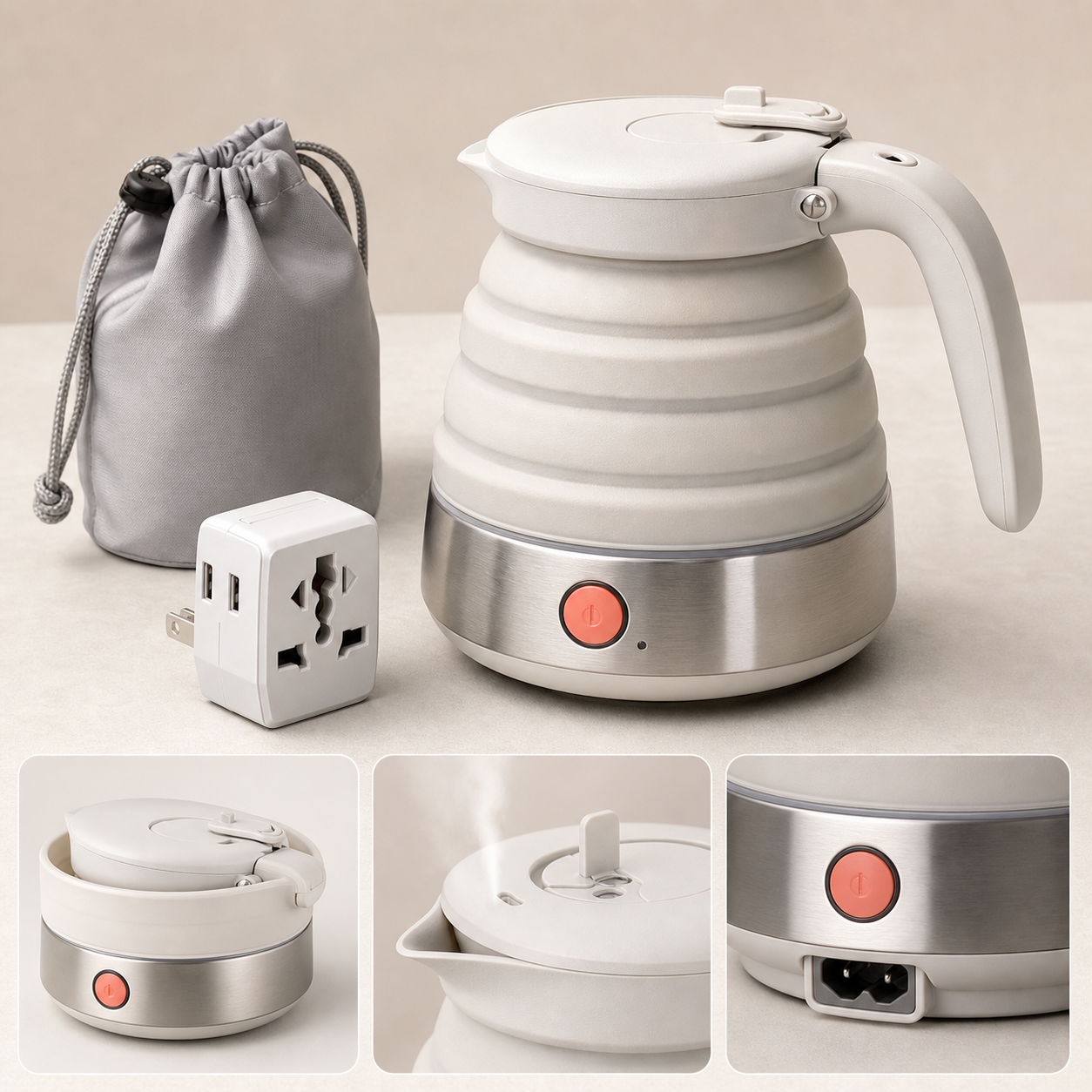
For a travel listing, state where hot water comes from and what temperature range the maker recommends. If the product is pictured beside a separate kettle, indicate that it is not part of the press unless bundled. A traveler may use a hotel kettle, campsite stove or insulated flask; each has different practical constraints. Position the product for the use case the seller can honestly support.
At shipment inspection, a finished-unit weight and visual check can catch missing components, but it cannot establish safe hot-water operation. A model-specific use and risk review should be completed before the first bulk order. Keep translated warning labels consistent with the manual and product page.
Build a Useful Troubleshooting Table
Prepare common symptoms and the safest first check for each. Weak output may point to coffee dose or grind, but a missing seal can also cause bypass. Excessive hand force may indicate an overly fine grind, overfilled basket or incorrect assembly. A leak at the cup joint may be a damaged gasket. The instruction should tell the owner when to stop using the press and contact support, not encourage ever-greater force.
Test the table with the production-intent unit and a nonexpert reader. Can that person identify each part in the diagram? Are cleaning and reassembly steps clear after the coffee puck is removed? A compact product often has small parts that look similar, and a simple exploded view can prevent misassembly. If a valve is not user-serviceable, make that explicit. Do not imply an owner should disassemble pressure-bearing components without the maker's instructions.
For a B2B buyer, separate consumable coffee from appliance warranty. A sour beverage caused by a particular bean is not necessarily a device defect. Conversely, a poor seal should not be dismissed as “user grind.” A model-specific support checklist helps the retailer treat those cases fairly and gather evidence for supplier corrective action.
The FDA's food-contact overview explains why material review extends beyond the visible metal shell. It does not approve a specific press. Buyers still need the actual wetted-component list and destination-market evidence for the quoted design.
Frequently Asked Questions
Does a higher pressure claim guarantee better portable espresso?
No. Dose, grind, water temperature, basket design and technique also matter. Ask how the pressure was measured and review the complete brew result under controlled conditions.
Can customers use pre-ground coffee?
Often, but the suitable grind depends on the actual basket and press. Test common retail grinds with the production-intent sample and give an adjustable starting recommendation.
Is a portable press fully self-contained?
Not always. Confirm whether a heater, grinder, cup and water source are included. Many manual devices require separately heated water.
Which spares should a buyer order?
Typically the parts most exposed to wear or loss: seals, filter screens, basket and cup where offered. Request model-revision compatibility before committing to a spare kit.
Can the whole device go in a dishwasher?
Only if the specific manufacturer instructions permit it. Verify individual components rather than applying one cleaning claim to the entire assembly.
Conclusion
The strongest wholesale specification for a portable espresso press describes a complete brew routine, not just a pressure number. Approve the contents, dose and grind starting point, hot-water preparation, cleaning path and spare-parts plan on the production-intent sample.
Final CTA
For related sourcing questions, browse all buyer guides or the Product Sourcing collection.
Explore the current KudBo product catalog when comparing this guide with available SKUs.
Get a Quote with the coffee format and accessory set your buyers expect, or email info@kudbo.com. KudBo can help scope the sample approval and shipment inspection checklist for the chosen configuration.