Introduction
A collapsible kettle odor complaint is a sensory observation, not a complete material-safety conclusion. Buyers should separate smell, taste expectations, approved first-use preparation and regulatory evidence. Neither the absence nor presence of a detectable odor, by itself, proves that a material is suitable for its intended application.
The distinction is useful for travel-appliance programs because customers may expect an odor-free experience immediately after unboxing. Packaging, materials, cleaning instructions and personal sensitivity can influence perception. A credible review needs controlled observations and model-specific documentation rather than dismissing every complaint or promising that all odors disappear.
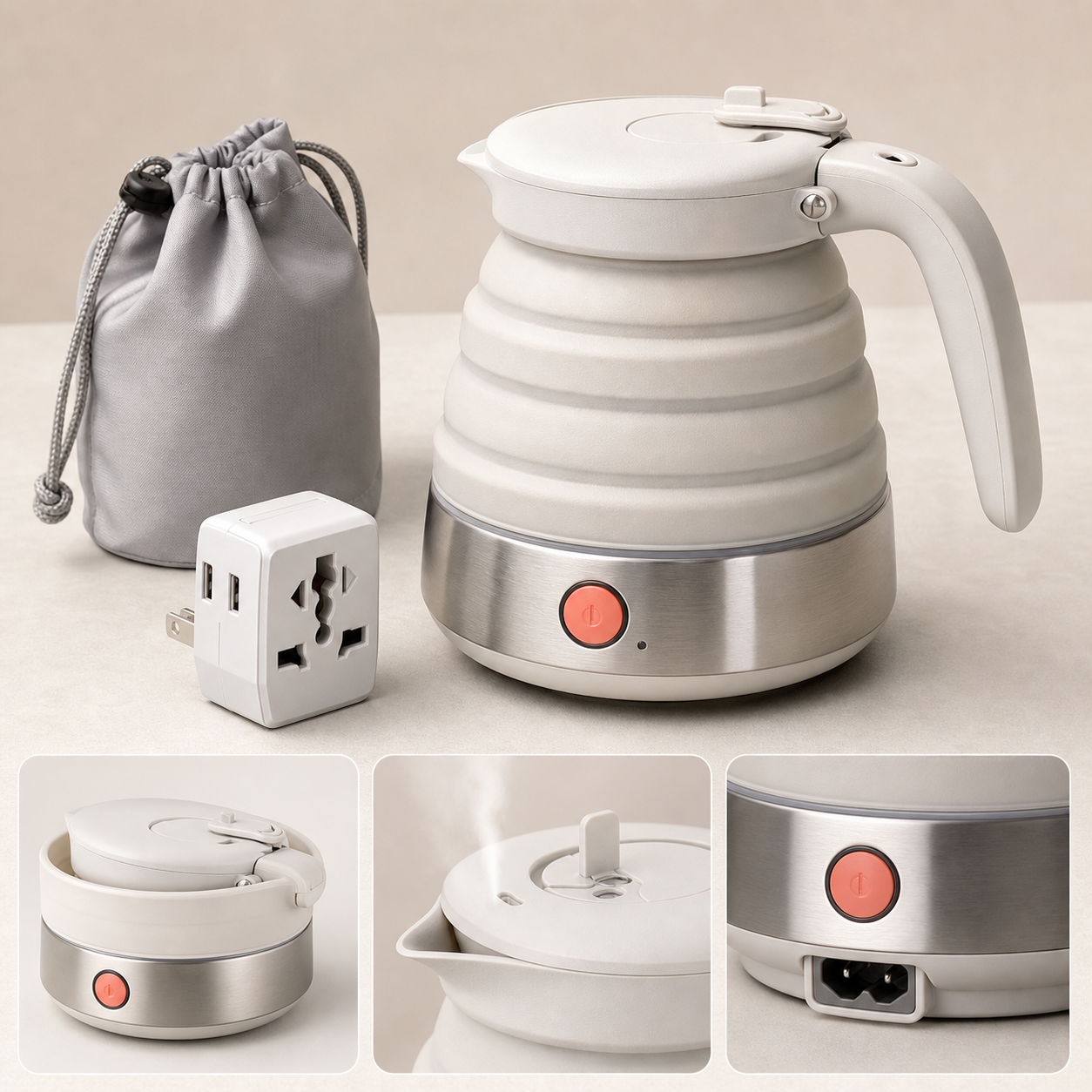
This collapsible kettle odor evaluation guide supports procurement of a collapsible travel kettle. It proposes a review process, not completed KudBo sensory or laboratory tests. Follow the exact manual and use competent specialists for material, electrical and safety assessment. Do not taste test unknown samples or improvise chemical conditioning.
Separate Four Evidence Questions
Ask whether the concern relates to the new unpowered product, packaging, heated water or another stage. Record that distinction before changing the sample. A general statement that the kettle smells does not identify the source or support a technical diagnosis.
Keep sensory acceptability separate from material identity, food-contact suitability and electrical safety. A material name does not answer every question. A kettle that meets one documented requirement can still need clearer preparation instructions or further review of a customer complaint.
FDA’s food-contact conditions of use show why temperature, food type and use conditions belong in the assessment. They do not approve a finished kettle merely because the supplier uses the phrase food grade. Destination requirements and actual component formulation require appropriate review.
Request Folding Kettle Material Traceability
Identify the relevant water-contact components and their materials, not just the flexible body. Seals, lid parts, coatings and other interfaces can matter. Ask which manufacturer and revision are linked to the supporting documents. A generic report for a broadly similar material may not cover the quoted assembly.
Record how substitutions are controlled. A changed seal, color formulation or flexible component can affect the evidence file and customer experience. Do not assume that a familiar color or housing preserves the approved material configuration. Require notification and review where relevant.
For a private-label program, keep material records, model identity and sample photographs together. Buyers should be able to retrieve the specific configuration if a complaint appears later. A marketing statement copied across several products is not a traceability system.
Define Silicone Kettle First Use Conditioning
Ask for the manufacturer’s exact first-use preparation. Do not assume that boiling vinegar, adding baking soda or repeating heating cycles is appropriate for every model. A household remedy can conflict with the material, mechanism or electrical instructions. Technical review must precede any revised advice.
The preparation sequence should specify permitted water, fill limits, cleaning, cooling and disposal of preparation water where applicable. Explain which parts are washable and which must remain dry. A simple rinse statement may be inadequate if the manual prescribes more, while an elaborate conditioning ritual should not be invented to conceal an unresolved issue.
If the supplier says a procedure reduces a new-product odor, request the evidence and intended scope. Do not convert that into a universal promise that all customers will perceive no odor. Describe the approved preparation honestly and preserve any limitation in retail support guidance.
Plan a Travel Kettle Sensory Comparison
| Review stage | Record | Evidence boundary |
|---|---|---|
| Unboxing | Packaging and sample identity | Does not identify a chemical source |
| Cool inspection | Defined descriptive observation | Not proof of material safety |
| Approved preparation | Exact manual sequence | No unreviewed chemical remedy |
| Controlled assessment | Method and competent reviewers | Not an informal taste challenge |
| Post-preparation | Observations under the same conditions | No universal odor-free guarantee |
| Complaint review | Lot, stage and use history | Avoid diagnosis from one sentence |
Use a method proportionate to the question. A buyer can document a noticeable new-product smell under defined conditions, but a formal sensory or materials conclusion may require specialist evaluation. Keep participant descriptions and the sample setup consistent. Do not invent a laboratory score from an informal observation.
Avoid tasting water from an unapproved sample to establish safety. If a properly reviewed sensory method is required, use competent personnel and suitable safeguards. The purpose is to answer the actual acceptance question, not create a theatrical demonstration for promotional content.
Review the Kettle Odor Free Claim Evidence
An absolute odor-free claim can imply more than a supplier has demonstrated. Ask which users, conditions, stages and method support it. A result after a prescribed preparation should not be advertised as identical to immediate unboxing performance if that difference matters to the customer.
FTC advertising guidance requires truthful, supported claims. A more useful description may explain the actual first-use procedure and material evidence without making a universal sensory promise. Avoid claiming no chemicals or no migration, which are different and much broader assertions.
Do not treat an odor complaint as proof of toxicity or dismiss it as necessarily harmless. Record the condition, stop use where the instructions or circumstances require it and escalate appropriately. Customer communication should explain what is known and what needs review rather than offering an unsupported diagnosis.
Mid-Article CTA
Send Your Requirements with your destination, sensory expectations, approved-use brief and quantity. Email info@kudbo.com to discuss a traceable sample and documentation request.
Evaluate the Complete First-Use Routine
Use the actual retail pack and draft insert. Confirm the kettle’s regional electrical configuration, stable setup and fully extended form according to instructions. The user should understand the fill limit and permitted contents before any powered evaluation. Electrical operation belongs within an approved method.
Water appliance cleaning instruction review should identify confusing steps and unsupported shortcuts. Have a suitable unfamiliar user explain the routine using a cool, unplugged sample. Record whether they can distinguish washable components from electrical parts. Technical approval should follow any instruction revision.
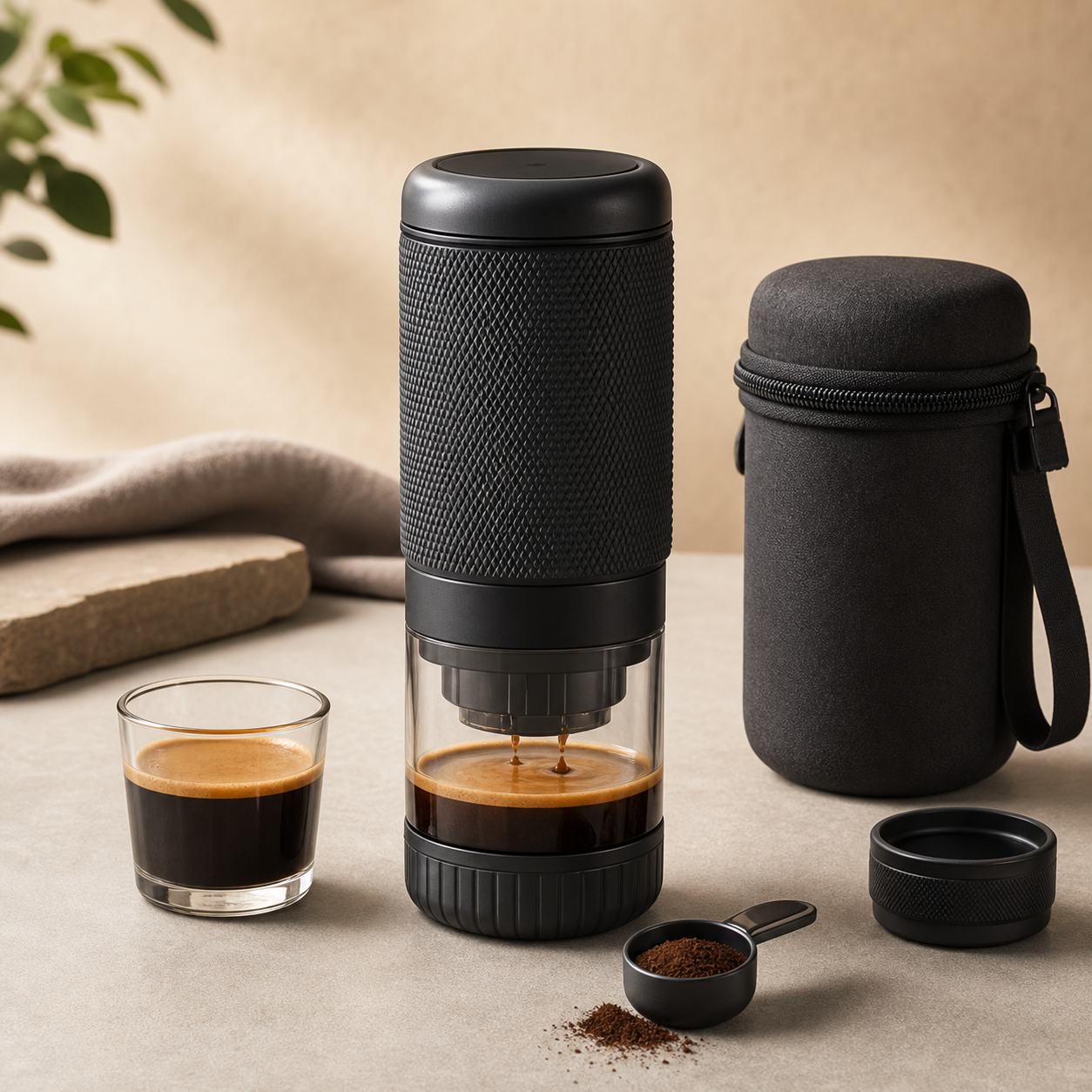
For a portable espresso press, hot-water preparation may be a separate requirement. Do not assume a kettle and press form a verified system simply because both are travel products. Capacity, handling, temperature needs and destination use need their own confirmation.
Keep Care Advice Model-Specific
Ask for approved descaling, cleaning and storage methods and exclusions. Water conditions vary, but that does not justify improvising a universal treatment. A flexible body and rigid heating assembly can have different care requirements. The instructions should distinguish them clearly.
Observe draining and drying after the approved procedure. Residual water and storage arrangements can affect later customer observations. Record the complete task without interpreting every smell as a material formulation issue. An evidence-based complaint review should consider stage and history rather than one assumed cause.
Do not recommend folding a hot or wet unit unless the manual expressly permits the relevant condition. Follow the cooling and storage sequence. The case should fit the complete prepared product without stressing the flexible section or cord. A compact travel image should not suggest instant packing immediately after heating.
Compare Quotations With the Evidence File
List the model, regional input, water-contact components, supplied cable where applicable, case and instructions. Identify separately required items and provisional details. Two offers using the same product photograph can have different formulations or assembly revisions.
Request supporting documents tied to the actual model and application. FDA’s guidance on determining food-contact regulatory status emphasizes the components and applicable authorization basis. It is background for appropriate review, not a substitute for finished-product evidence or an automatic market-access decision.
Keep sensory acceptance and compliance review in separate fields. A favorable odor observation should not close an unresolved materials question, and a compliance document should not be described as proof that every customer will find the product odor-free. This separation makes decisions more defensible.
Plan Complaint Intake Before Launch
Ask support to collect model, lot, stage, preparation history and a description of the observation. Avoid requesting unnecessary personal information. Where damage, abnormal operation or an unresolved safety concern is reported, use an appropriate stop-and-escalate process.
Do not promise that repeated boiling will fix every complaint. That advice may exceed the manual or conceal a relevant defect. A supplier should investigate reproducible issues and provide reviewed guidance. Keep the customer response consistent with what the evidence actually establishes.
If a revised component or instruction is proposed, identify it and reassess the affected question. A supplier assurance that the smell is now gone is not enough without a defined scope. Preserve the old and new records so the retailer can distinguish existing stock from the revised configuration.
Use Production and Shipment Records Appropriately
Factory testing should state its actual assembly and operational checks, while materials and sensory assessments retain separate methods. Shipment inspection can verify identifiers, pack completeness and agreed observations. It cannot prove universal sensory acceptance or replace specialist safety review.
Require notification of changes to relevant formulation, seals, coatings, assembly or preparation instructions. A familiar exterior can conceal a material change. The KudBo catalog helps select travel products, while the approved model-specific evidence file should control the order and claim.
Imagine a hypothetical buyer with a strong immediate-unboxing sensory requirement. A sample acceptable only after a lengthy unsupported procedure does not meet that brief. The buyer can request a reviewed revision or select another product. This is not a KudBo customer case or actual test result; it illustrates why preparation and acceptance conditions must be explicit.
Set the Sensory Acceptance Boundary
Identify the stage that matters: unboxing, after approved preparation or during a defined permitted task. These are different conditions. The supplier should not choose the most favorable stage after seeing a result and imply it meets a broader brief.
Preserve packaging identity and relevant storage history. A sample removed before review may not represent unboxing. Do not diagnose the source from that observation alone; use it to identify the next question or specialist assessment.
Record descriptive observations rather than calling them toxic, harmless or proof of quality. Those conclusions need different evidence. A buyer can acknowledge a concern without exaggerating it or dismissing the customer.
Check that any remedy belongs in the manual. A new conditioning procedure needs technical review before publication. An informal recommendation should not become the response for every owner.
For repeat orders, identify material, preparation and packaging changes. A favorable revised sample does not resolve questions about earlier stock. Keep versions distinguishable and review what owners of each should be told.
The boundary also helps compare quotations. A simpler supported preparation routine may suit gifts; another routine may fit a more involved audience. The decision follows the user and process, not an odor-free slogan. Retain approved sensory wording separately from safety documents so an observation is not repurposed as a compliance claim.
Keep the Approval Evidence Retrievable
Record the model, revision, method, conditions, observations and reviewer in the purchase file. A later reader should distinguish a supplier statement, a buyer observation and an unresolved requirement. Do not describe an illustrative photograph as a completed factory test or a real customer project. If a revised sample is proposed, identify what changed and review the affected requirement before carrying the earlier conclusion forward. This record should support the decision, not create certainty that the evaluation never established. Keep the final claim within the observed or appropriately documented scope, and make remaining limitations visible to the person approving artwork and the order.
Keep Packaging Observations Separate
If a concern appears only while the sample remains in its original packaging, record that condition separately from observations of the prepared kettle. Do not conclude that the flexible component is responsible without investigation. A packaging revision and a material revision answer different questions and should remain identifiable in the product file.
Retain the relevant sample and pack through the review process where appropriate. A photograph cannot preserve a sensory condition for later assessment. The supplier and competent reviewers need a traceable description and the correct configuration, not an unsupported assumption carried into customer support advice.
Related Buyer Resources
Continue with Portable Espresso Pressure vs Extraction: What Buyers Should Test for a complementary purchasing question. Compare the full product catalog, or browse the KudBo sourcing blog or the product sourcing topic collection for additional buyer guides. These resources provide decision context; each product still needs its own model-specific approval.
Frequently Asked Questions
Does a noticeable odor prove the kettle is unsafe?
Not by itself. It is an observation requiring appropriate review, not a complete materials or safety conclusion. Record the sample and stage, follow stop-use guidance where relevant and obtain competent assessment. Do not diagnose toxicity or harmlessness from smell alone.
Does no detectable odor prove food-contact suitability?
No. Sensory observation and regulatory evidence answer different questions. Review the actual components, formulation and intended conditions of use. A pleasant first-use experience does not establish authorization or safety for every application, just as a document does not guarantee universal sensory acceptance.
Can buyers recommend vinegar conditioning for every model?
No. Use the exact manufacturer’s reviewed cleaning and preparation method. Chemicals, heating cycles and care steps can affect materials and assemblies differently. Do not invent a household remedy to resolve an uncertain sample issue or publish advice that conflicts with the manual.
What makes an odor comparison useful?
Identify the sample, packaging, observation stage, approved preparation and assessment method. Keep conditions consistent and conclusions within scope. Informal observations should not be converted into laboratory scores, universal odor-free promises or safety findings without appropriate specialist evidence.
Which changes need renewed review?
Relevant changes include water-contact formulations, seals, coatings, assembly and preparation instructions. Require notification and reassess affected evidence. Retain revision records so a matching exterior is not mistaken for the same approved materials or customer first-use routine in another shipment.
Conclusion
Collapsible kettle odor evaluation should separate sensory expectations, approved conditioning and material evidence. Use a traceable sample, controlled observations and reviewed instructions. This supports a credible purchasing decision without dismissing complaints or promoting an unsupported universal odor-free guarantee.
Final CTA
Get a Quote or email info@kudbo.com with your destination, quantity and first-use requirements. KudBo can discuss available travel options and documentation requests. Confirm the final formulation, instructions and claim evidence before production approval.