Introduction
Choose laser engraving when the material and finish can produce the required permanent contrast without adding ink, and choose pad printing when a controlled ink color or small image on a shaped surface is the priority. Neither method is automatically suitable for every metal or plastic. The purchasing decision should be made from a decorated sample using the actual substrate, finish, artwork and placement.
For private-label importers and corporate gift buyers, logo selection affects appearance, repeatability, cleaning instructions and the approval schedule. A digital mockup establishes intent; a physical decorated sample establishes what the proposed process can produce. This guide explains how to compare the methods, request useful evidence and prevent decoration changes from becoming a late shipment problem.
Start With the Product Surface
Identify the material beneath the decoration and any coating above it. Bare metal, painted metal, anodized surfaces and molded plastics can respond differently. Even two black components may use different polymers or finishes. Ask the supplier to identify the proposed construction before discussing whether a laser can produce a bright mark or an ink will adhere.
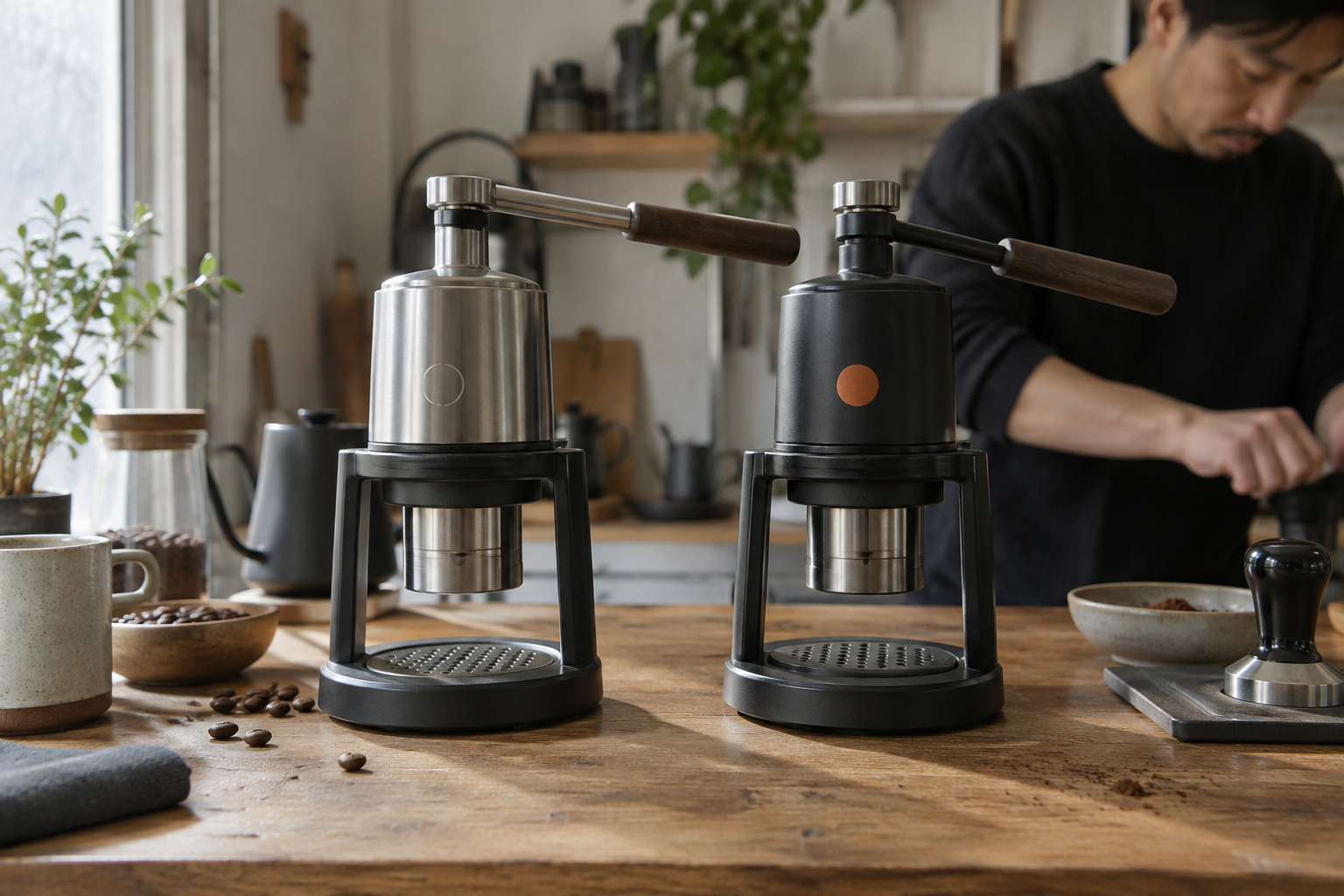
A product such as a portable espresso press can combine a metal body, polymer grip and removable components. These are separate decoration surfaces. Choose the placement so the mark remains visible in normal use and does not interfere with assembly, cleaning, grips or information already required on the product.
Distinguish Marking From Deep Engraving
Suppliers sometimes use laser engraving as a broad commercial term for several marking effects. Ask whether the proposed process removes a coating, changes the surface appearance or removes material to create depth. Request a sample showing the expected contrast and texture. Do not assume that a mark described as engraved will be deeply recessed.
Depth can matter where wall thickness, sealing surfaces or protective finishes are involved. Keep decoration away from functional interfaces unless the design has been reviewed. A buyer should not ask a supplier to increase laser intensity merely to make a logo look stronger without understanding the effect on the component.
What Pad Printing Offers
Pad printing transfers an image using a flexible pad, making it useful for selected shaped surfaces and compact artwork. Its suitability depends on geometry, surface preparation, ink system and the details of the image. Protolabs' secondary operations overview describes pad printing and laser engraving as distinct finishing options, with artwork restrictions that must be reviewed for the application.
For procurement, ask how many ink colors are needed, whether an underlayer is proposed and how registration will be controlled. Each color or setup can add process work. A small one-color logo and a multicolor illustration should not be compared as if they require the same production route.
Ink Color Needs a Physical Approval
Specify the intended color reference and review it on the actual surface. A dark substrate can change the apparent result, and surface gloss can alter how the mark looks. Ask for a cured sample, not only a freshly printed one. The proposed curing process and handling interval should be part of the supplier's production plan.
Discuss cleaning exposure at the same time. If customers will wash or wipe the product, the decoration must be evaluated under appropriate conditions. A generic statement such as durable printing is not an acceptance criterion. Describe the intended care method and ask what evidence supports the proposed ink and surface combination.
What Laser Decoration Offers
Laser decoration can avoid an applied ink layer and create a restrained appearance suited to some gifts and premium accessories. However, the color is determined by the material and marking process rather than a freely chosen ink palette. A buyer seeking an exact corporate color may need a different method or a revised design expectation.
Ask the supplier for examples on the exact finish being quoted. A bright result on one coating does not predict the result on another. Review edge definition, fill uniformity, contrast and any visible surface disturbance. If the supplier changes a coating source, ask whether the approved laser settings and appearance remain valid.
Individual Names Are a Separate Workflow
Laser systems may support variable names or identifiers, but the operational challenge includes data preparation and verification. A single approved company logo does not approve hundreds of individual names. Define the character set, maximum length, capitalization, file format and proofing responsibility before quoting personalization.
Avoid placing real recipient information into sample files unnecessarily. Use clearly fictional test entries to check long names, punctuation and layout behavior. Keep the production data tied to the correct order and packaging process so a correctly marked product does not reach the wrong recipient.
Compare the Methods Against the Same Brief
Begin with a single product revision and one defined decoration area. Request the supplier's recommended method and a feasible alternative. Ask for setup costs, recurring decoration cost, sample timing, production timing and the assumptions behind each proposal. A low unit price may exclude artwork preparation, fixtures or color development.
The right comparison also includes rejection and rework handling. A printed mark may or may not be removable without damaging the finish. An engraved mistake may not be practically repairable. Ask how a failed decorated unit will be segregated and whether replacement product stock is needed during production.
| Requirement | Laser process question | Pad printing question |
|---|---|---|
| Brand color | What contrast does this finish produce? | Can this ink match the approved reference? |
| Curved surface | How is focus and position controlled? | How does pad geometry affect distortion? |
| Fine details | What line and gap sizes are feasible? | What details transfer reliably? |
| Cleaning | Does marking affect the surface finish? | What exposure evidence supports the ink? |
| Variable names | How is data verified per unit? | Is the proposed method practical for variation? |
| Reorders | Are material and settings controlled? | Are ink, preparation and curing controlled? |
Prepare Artwork That Can Be Produced
Supply vector artwork where available and identify the final size in physical units. Convert or package fonts according to the decorator's requirements. Distinguish the visible logo area from the total artwork canvas. A file with large invisible margins can lead to an unexpectedly small mark if size is interpreted differently.
Ask the decorator to flag fine lines, small gaps and tiny text before sampling. There is no universal minimum detail that works across all materials and processes. If the design must be simplified, approve the revised version explicitly rather than allowing the factory to redraw it informally.
Define Placement With Reference Features
Specify position from stable physical features, such as a seam, flat face or assembly edge. Include orientation and allowable variation agreed with the supplier. Avoid instructions such as centered nicely, which different inspectors can interpret differently. Photograph the approved sample from a repeatable view.
If the product rotates or has removable parts, define which assembled orientation controls the logo. A mark can be geometrically centered on a component but appear wrong when the product is assembled. Review the complete product application, not just the loose decorated part.

Mid-Article CTA
Request a Logo Process Review. Email info@kudbo.com with the product, artwork, intended logo size, preferred placement, quantity and cleaning expectations. KudBo can help clarify sample requirements and compare supplier decoration proposals against that brief.
Approve Color and Appearance Under Useful Conditions
Review the sample under consistent light and at a realistic viewing distance. Look closely for edge quality, then step back to assess the overall product. A magnified photograph can exaggerate insignificant defects while hiding whether the logo is legible in normal use. Agree which characteristics are critical to the program.
Pantone's guidance on color systems and materials helps explain why references need to suit the substrate. Use a physical reference where brand color matters, and agree how it will be evaluated on the final surface. A screen rendering is not a substitute for a decorated approval sample.
Use a Controlled Sample Set
Retain a buyer sample and a factory reference, both identified with product revision, artwork version and approval date. If several colors or finishes are ordered, establish which combinations were approved. Do not let one black sample silently authorize decoration on white, textured or metallic versions.
Keep a record of acceptable placement and any intentional process appearance. Some laser effects vary with viewing angle; some printed marks have a characteristic surface feel. An explicit approval record helps inspectors distinguish expected appearance from a genuine production departure.
Make Durability Checks Relevant to Use
Define what the decorated area encounters: handling, bag abrasion, wiping, washing, heat or contact with cleaning agents. Then ask a qualified specialist or supplier to propose an appropriate evaluation method. Record the condition, sample quantity and acceptance criteria. Do not invent a universal number of rubs or washes and present it as an industry requirement.
Factory testing can screen process consistency, while a laboratory evaluation may be appropriate for specific claims or demanding use. Keep these roles clear. Passing an internal wipe check does not establish every dishwasher, chemical-resistance or lifetime claim a marketing team might want to make.
Inspect Function After Decoration
Verify that decoration has not affected assembly, movement, seals, controls or required labeling. Where the logo is near a food-contact or frequently handled area, the material and process need appropriate review. Do not treat an attractive mark as evidence that the entire decorated product is suitable for every intended use.
Check packaging interaction too. A divider rubbing repeatedly against the mark may create a transport issue even if normal user handling is acceptable. Pack decorated samples using the intended materials and include cosmetic review after the relevant handling evaluation. This connects decoration approval to shipment preparation.
Control Production and Shipment
The purchase order should identify the approved product finish, artwork, method, size, location and reference samples. Ask which settings or consumables are controlled and how changes will be communicated. A supplier's process file may contain proprietary details, but the buyer still needs enough information to identify the approved output and review substitutions.
During shipment inspection, sample across the relevant variants and production lots. Check logo identity, spelling, placement, contrast, color, edge quality and surface condition. For personalized orders, use a separate verification process that reconciles each item with the approved data rather than relying only on a small cosmetic sample.
Treat Artwork Errors as Traceability Problems
If an outdated logo appears, determine which artwork version was released and which units used it. Hold the affected stock while the scope is established. Replacing a few visible examples does not resolve a batch that may contain mixed versions. Keep the correction and reinspection record with the shipment decision.
Before using any brand asset, confirm the buyer's right to use it. The private-label trademark clearance guide covers the broader sourcing workflow. Production approval should identify who supplied and authorized the artwork without implying that a factory sample establishes ownership rights.
Resolve a Borderline Decoration Sample
When a sample is almost acceptable, list the specific defects instead of asking for a better logo. Separate artwork, placement, color and process appearance. A fine line that disappears may require artwork simplification; a tilted logo may require a better fixture. Asking the supplier to solve both by changing machine settings can create another uncontrolled result.
Return a marked photograph with a clear reference to the physical sample. Identify which changes are mandatory and which are preferences. Request a new sample when the correction changes a feature central to acceptance. An emailed promise to improve production does not show that the process can achieve the required result consistently.
Compare the Whole Gift Presentation
Place the decorated product beside its box, insert and any other branded item in the set. A logo that looks acceptable alone may have the wrong orientation when the box opens. A deliberately subtle engraving may disappear against a dark insert. These are presentation decisions that should be resolved while samples can still change.
If different processes are used across a gift set, agree what visual consistency means. The goal may be similar size and placement rather than identical color on unlike materials. Record that choice so inspectors do not reject an approved contrast or accept an unintended mismatch. Keep the complete presentation sample as part of the release reference.
Close the review with a single approved artwork package and a short decision record. Remove superseded files from the active production handover while retaining their history separately. The product sourcing archive includes related guides for controlling samples, packaging and supplier changes around the decoration process.
Frequently Asked Questions
Is laser engraving always more durable than pad printing?
No universal comparison applies to every material and use. Laser effects and printed ink systems vary. Evaluate the actual substrate, finish and exposure conditions. Ask for evidence supporting the specific decorated product and avoid broad lifetime claims based only on the process name.
Which method is better for an exact brand color?
Pad printing may offer a suitable ink-color route, subject to substrate and process limitations. Laser appearance usually depends on the material and marking effect. Approve a physical sample and a realistic color standard before choosing either method for a strict brand program.
Can one artwork file be used on every product?
The original brand artwork can be a common source, but production files may need different sizes, detail levels or layouts. Each material, curvature and placement should be reviewed. Keep approved adaptations clearly versioned so the factory does not make unrecorded design changes.
Should a digital mockup be enough for a first order?
Not when the physical decoration is important to acceptance. A mockup communicates layout but cannot demonstrate adhesion, contrast, texture or production variation. Request a decorated sample on the proposed material and finish before approving a new process or supplier combination.
What belongs in the logo quotation request?
Include the product revision, material and finish, vector artwork, physical size, placement, colors, quantity, personalization needs and intended care conditions. Ask for setup costs and sample timing separately. Identify any non-negotiable brand requirements at the start.
Related KudBo Resources
Browse the KudBo product catalog, explore the buyer guide library, read more Wholesale Buying sourcing guides, or send your product requirements for a focused sourcing discussion.
Conclusion
Logo decoration should be selected from the actual product and customer use. Compare laser and pad printing with the same artwork brief, approve a physical sample and record what production must reproduce. Clear material, placement and durability expectations make the decision more useful than choosing a process because it sounds premium.
Final CTA
Send Your Artwork and Product Brief. Explore the KudBo catalog and sourcing articles, or use the contact form. Email info@kudbo.com to discuss decoration samples, package presentation and the production inputs needed for your private-label or gift order.